Trusted locksmith near me for Commercial After-Hours Unlocking. I have stood in parking lots while exhausted managers explained mixed-up schedules and broken keys, and I have turned those scenarios into straightforward solutions. Read on for real-world advice about phone triage, on-site troubleshooting, cost drivers, and sensible upgrades that pay for themselves.
What makes emergency locksmith calls for businesses unique
An after-hours unlock is a different type of job than a scheduled daytime service. Late calls force trade-offs between speed and careful documentation, because a rushed job can leave a liability behind. Expect higher rates and fewer technicians available, and plan accordingly. If you tell the dispatcher exactly what happened, they can send the right van with the right kit.
How to screen a locksmith over the phone before you commit
Start by describing the property type, lock type, and whether anyone is locked in or out. If your building has a monitored alarm or on-site security, include that detail so the locksmith can plan entry and avoid false alarms. Ask for an ETA range and a flat quote for a basic after-hours unlock, plus hour and parts rates. Confirm the tech's name, ID policy, and whether they will provide an invoice on site.
Typical first steps for an emergency locksmith at a business
A pro will look for entry points that avoid destructive work, such as spare keys, service doors, or access through an adjacent space. If no benign path exists, the tech will identify the lock type, cylinder profile, and mounting method. A small call to the alarm firm can prevent a cascade of responses that makes the night worse. If replacement is necessary, expect discussion about temporary versus permanent fixes and about matching finishes and security grades.
Price drivers for after-hours unlocking and how to budget
Expect travel time, emergency surcharge, and the work complexity to explain most of the bill. An uncomplicated mechanical unlock might be a relatively small fee, while an electronic access repair will cost more. A transparent invoice reduces disputes and helps you decide whether to upgrade equipment to avoid repeat calls. A standing service agreement often lowers per-call costs and prioritizes response, but verify whether nights and weekends are included.
Practical on-site solutions for immediate access
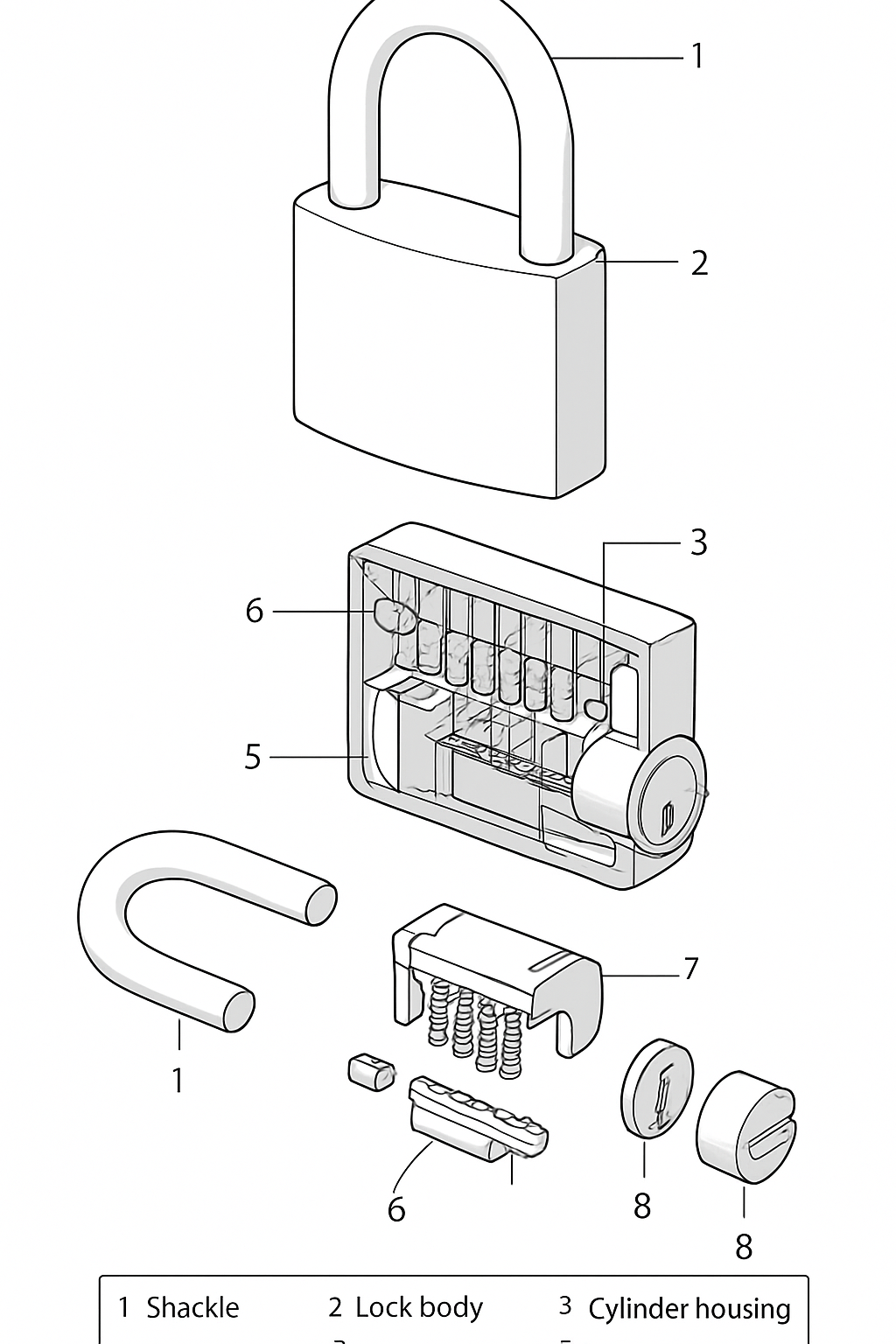
Good technicians carry spare cylinders, latch retrievers, key blanks, and basic electronic programmers. Sometimes a misaligned strike or a swollen frame is the culprit, and a simple strike shim or hinge adjustment solves the problem. Electronic access issues often require reprogramming a single card or replacing a failed power supply rather than swapping an entire lockset. If the door has panic hardware or fire-rated mechanics, the tech will follow code-compliant repair practices to avoid future liability.
Smart, practical changes that stop repeat late-night unlocking
A few strategic upgrades often eliminate the need for an emergency call later on. A weatherproof lockbox with a rotating code gives controlled access for deliveries and late staff, and it is cheaper than repeated callouts. A small access control upgrade pays off if your business has frequent staff changes or outside contractors. Standardize keys and profiles across locations to save time on-site and reduce part needs during emergency calls.
Liability, documentation, and how insurance views emergency entries
Always document the incident and keep the invoice with notes about why forced entry or replacement was necessary. Coordination with local authorities and your monitoring service prevents misunderstandings and ensures safety. Check that your insurance carrier accepts the vendor's qualifications if you expect a claim for damage or theft. When granting access, follow company policy for who can request after-hours service and require written authorization where practical.
https://privatebin.net/?2ce14b299e3c9229#5nhyXbssonwv8WHVCwnSfNVziivdQ3ev5Cw25GPZQnUD
Signs your current emergency locksmith is not serving you and how to change that
If response times slip, invoices get vague, or technicians cut corners, it is time to test alternatives. A good vendor offers references from similar businesses and can outline service-level expectations in writing. Run a small daytime job to verify key control practices, parts quality, and invoice transparency before you rely on a night response. If your property is a frequent client, ask for an account rate and predictable billing to avoid surprises.
A quick field guide for handling emergency locksmith situations at your office
Keep a card with alarm codes, after-hours contacts, and the preferred vendor's details where managers can find it quickly. A secured key stash under responsible managerial control eliminates the majority of accidental lockouts. Review security hardware annually and replace worn cylinders, failing readers, and loose strikes before they fail at night. If you need help choosing upgrades or writing a service agreement, ask for a site visit and a written proposal that compares options and costs.
Reach out to an experienced technician and test them on a daytime visit before you need emergency help.